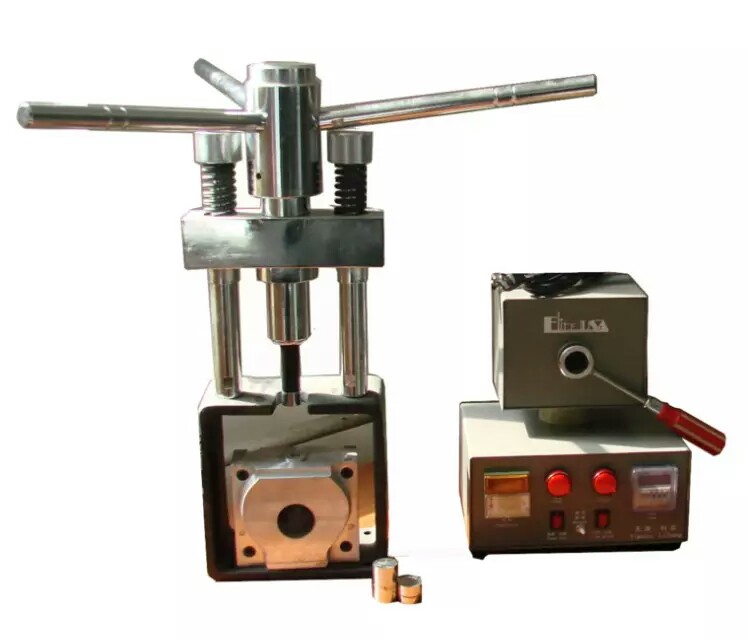
In the world of dental laboratories, the art of creating prosthetics and dental restorations requires a combination of traditional manual skills and cutting-edge technology. Despite the advent of digital CAD/CAM equipment and materials, traditional manual techniques remain an essential part of the dental lab workflow. In this blog post, we will explore the traditional dental lab equipment used in the fabrication of prosthetics and dental restorations.
The Traditional Workflow
The traditional workflow in a dental lab involves a series of manual steps, each requiring a specific piece of equipment. Here is a sequence of the traditional workflow:
- Duplicating machine: Creates an exact replica of a dental model for precise prosthetic fabrication.
- Model trimmer: Trims and shapes the dental model to prepare it for prosthetic fabrication.
- Dental surveyor: Analyzes the dental model to determine the optimal position and orientation of the prosthetic.
- Pindex dental machine: Creates a precise index of the dental model for accurate prosthetic placement.
- Dental Vacuum mixer: Mixes dental materials, such as impression materials and cements, under vacuum to minimize air bubbles.
- Wax injection or hand waxing: Creates a wax pattern of the prosthetic.
- Investment material mixer: Mixes investment material to create a mold for the prosthetic.
- Centrifugal casting equipment (investment material): Creates a mold for the prosthetic using centrifugal force.
- Burnout furnace: Burns out the wax pattern from the mold.
- Centrifugal casting machine: Casts the prosthetic using centrifugal force.
- Vibrator: Removes air bubbles and excess material from the casting.
- Saw cutting machine: Cuts and shapes the prosthetic to precise dimensions.
- High speed grinder: Grinds and polishes the prosthetic to a high shine.
- Polishing lathe: Further polishes the prosthetic to a high shine.
- Electrolytic polisher: Uses electrolysis to polish and refine the prosthetic surface.
- Sandblaster machine: Blasts the prosthetic with abrasive particles to texture the surface.
- Dust collector: Removes dust and debris from the work area.
- Spot welder: Welds metal components of the prosthetic together, and Flexible denture injection system or Vacuum former heater to finalize the prosthetic.
The Importance of Traditional Techniques
While digital CAD/CAM equipment and materials have revolutionized the dental lab industry, traditional manual techniques remain essential for several reasons:
- Accuracy: Traditional techniques allow for precise control over the fabrication process, ensuring accurate and precise prosthetics.
- Customization: Manual techniques enable dental technicians to customize prosthetics to meet the unique needs of each patient.
- Quality: Traditional techniques ensure a high level of quality and attention to detail, resulting in prosthetics that are both functional and aesthetically pleasing.
Looking for Dental Lab Equipment?
If you’re looking for dental lab equipment, look no further than Dental Laboratorio. Our comprehensive range of traditional and digital equipment will meet all your dental lab needs.
In conclusion, traditional manual techniques remain an essential part of the dental lab workflow, even in the digital age. By combining traditional techniques with cutting-edge technology, dental laboratories can produce high-quality prosthetics and dental restorations that meet the unique needs of each patient.

 Happy with health care
Leave a comment