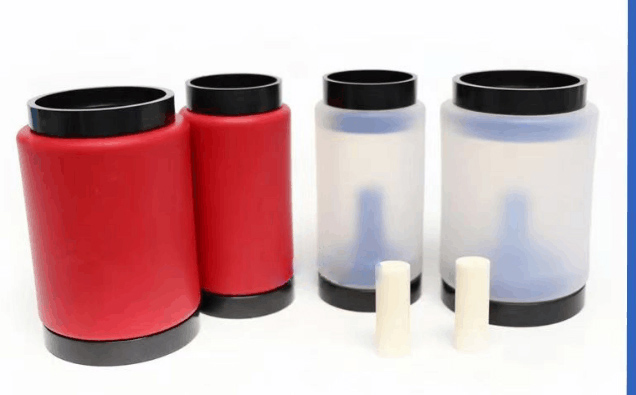
In today’s modern dental laboratory, material selection for prosthetic restorations involves careful consideration of multiple factors. Two popular options—lithium disilicate press ingots and cobalt chrome alloys—offer distinct advantages for different clinical scenarios. Understanding when to choose each material can significantly impact treatment outcomes and patient satisfaction.
Understanding the Materials
Lithium Disilicate Press Ingots Lithium disilicate is a glass-ceramic material that combines excellent esthetics with impressive mechanical properties. With flexural strengths of 360-400 MPa, these ingots can be heat-pressed using specialized equipment to create highly esthetic restorations with remarkable translucency and natural light transmission.For dental laboratory looking for high quality lithium disilicate press ingots, Dental Laboratorio is a better place to pick up the suitable items, they provide extensive shaded colors and HT,LT translucency options.
Cobalt Chrome Alloys Cobalt chrome is a metal alloy primarily composed of cobalt and chromium with smaller amounts of molybdenum, tungsten, and other elements. With flexural strengths exceeding 600 MPa, these alloys deliver exceptional durability and resistance to fracture, making them ideal for high-stress applications.
Clinical Considerations for Material Selection
For Dental Technicians
As a dental technician, your material choice should consider:
- Restoration Type
- Single units and short-span bridges (up to 3 units): Lithium disilicate excels
- Long-span bridges and frameworks: Cobalt chrome provides necessary strength
- Partial denture frameworks: Cobalt chrome remains the standard
- Technical Parameters
- Minimum thickness requirements: Lithium disilicate (1.0-1.5mm) vs. Cobalt chrome (0.3-0.5mm)
- Margin design: Lithium disilicate allows more conservative preparations
- Laboratory workflow: Press ingots require investment and pressing equipment, while cobalt chrome typically needs casting equipment or milling technology
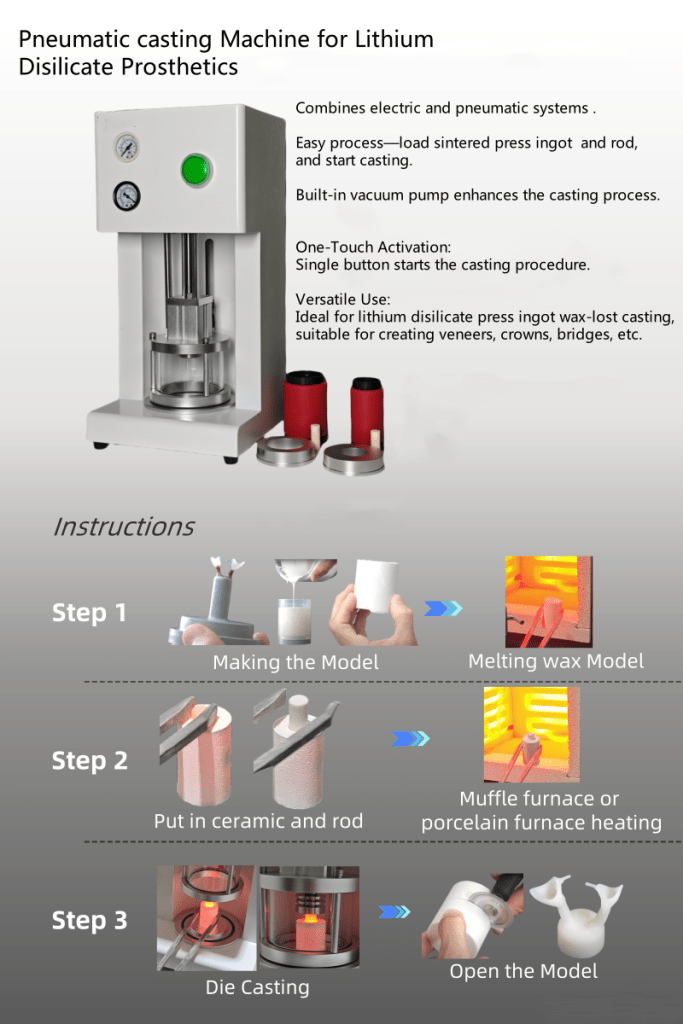
- Equipment Investment Modern pressing equipment like the Dental Pro-Cast X5 has revolutionized lithium disilicate processing with pneumatic systems and one-touch operation. These units combine electric controls with precision pneumatic pressure, ensuring consistent results with minimal technical variability.
For Dentists
When prescribing restorations, consider:
- Clinical Situation
- Anterior region: Lithium disilicate offers superior esthetics and adequate strength
- High-load posterior areas: Consider cobalt chrome for bruxers or limited vertical space
- Implant-supported restorations: Both materials work well depending on esthetic requirements
- Patient-Specific Factors
- Occlusal forces: Heavy grinders may benefit from cobalt chrome’s durability
- Opposing dentition: Lithium disilicate is more compatible with natural teeth
- Allergic tendencies: Some patients may have metal sensitivities
- Restorative Approach
- Bonded restorations: Lithium disilicate offers excellent adhesion to tooth structure
- Conventional cementation: Both materials perform well with appropriate cements
For Patients
As a patient, understanding these materials helps you make informed decisions:
- Esthetic Expectations
- Natural appearance: Lithium disilicate provides translucency similar to natural teeth
- Metal visibility: Cobalt chrome may show through thin tissue or at margins
- Functional Requirements
- Durability needs: Cobalt chrome offers superior longevity in high-stress situations
- Comfort: Both materials can be comfortable when properly designed
- Budget Considerations
- Initial cost vs. longevity: Cobalt chrome often costs less initially but lithium disilicate may offer better value through esthetic satisfaction
- Insurance coverage: Metal alloys are sometimes covered more comprehensively
Making the Final Decision
The ideal material choice emerges from collaborative discussion between dentist, technician, and patient. Consider these key decision points:
- Choose Lithium Disilicate Press Ingots When:
- Esthetics are paramount (anterior region, high smile line)
- Single crowns or short-span bridges are needed
- Patient desires metal-free dentistry
- Minimal preparation is possible
- Digital workflow with pressing technology is available
- Choose Cobalt Chrome Alloy When:
- Maximum strength is required
- Long-span bridges or removable frameworks are planned
- Minimal thickness is necessary
- Cost constraints are significant
- Patient has history of ceramic fracture
The Role of Advanced Pressing Equipment
Modern pressing systems like pneumatic casting machines have transformed lithium disilicate processing. With features such as built-in vacuum pumps, precise pressure control, and one-touch operation, these units deliver consistent results that maximize the material’s potential. The latest equipment can process multiple ingot types with minimal technical sensitivity, closing the gap between pressed ceramics and traditional metal casting.
Conclusion
Both lithium disilicate press ingots and cobalt chrome alloys have secured their place in modern dentistry. Rather than viewing them as competing options, consider them complementary materials that serve different clinical needs. By understanding the strengths and limitations of each, dental teams can select the optimal material for each unique patient situation, delivering restorations that combine esthetics, function, and longevity.
The continuing advancement of processing equipment, particularly for pressed ceramics, continues to expand the applications for these materials. As technology evolves, the line between traditional material categories will likely blur further, offering even more options for dental professionals and their patients.

 Happy with health care
Leave a comment